Guest Post by Desirée L. Narango, Vermont Center for EcoStudies.
New Mission!
We recently received some generous funding to dig deeper into the flower visitation of several species of vulnerable Bumble Bees. These data will be combined with some region-wide occupancy analyses to explore the occurrence and persistence of vulnerable species in urban areas.
Hey PIP gang,
Welcome to all the new members! I recently gave a talk at the Northeastern Natural History Conference about the immense potential of iNaturalist observations for increasing our understanding of plant-pollinator interactions. If you joined us after hearing the talk, thank you!
If you already have interaction observations, use these steps to batch add them to the project.
We'd like the PIP team to keep a special eye out for these bumbles during key periods when queens are flying and when workers are out. Here are the three species we're looking for more data on:
- Bombus terricola - Yellow-banded Bumble Bee (Northern PA, NY, New England)
- Bombus fervidus- Golden Northern Bumble Bee (whole region)
- Bombus pensylvanicus - American Bumble Bee (Southern NJ, and Southern PA)
Most bumble bees can be identified with a few good shots from different angles. For more info about ID'ing bumble bees, check out this guide by VCE staff biologists here.
To get a better idea of when these species might be seen in your area, click the species page above, then search by your state, and take a look at the seasonality chart. For example, you can see that in Vermont, queens are first seen in late April and May, and workers peak in July.
All observations are useful observations, but if you find the bumbles visiting a flower, even better! Definitely annotate with the interaction->visited flower of the field. You can also link plant and pollinator observations by uploading the plant photo as a separate observation and using the reference URL field.
When loading your post, select Projects (on left column), when the white bar comes up with "add a project" type in PIP, then click on "Pollinator Interactions on Plants (PIP) of the NE US".
The next time, you only need to select Projects, then select the PIP listing.
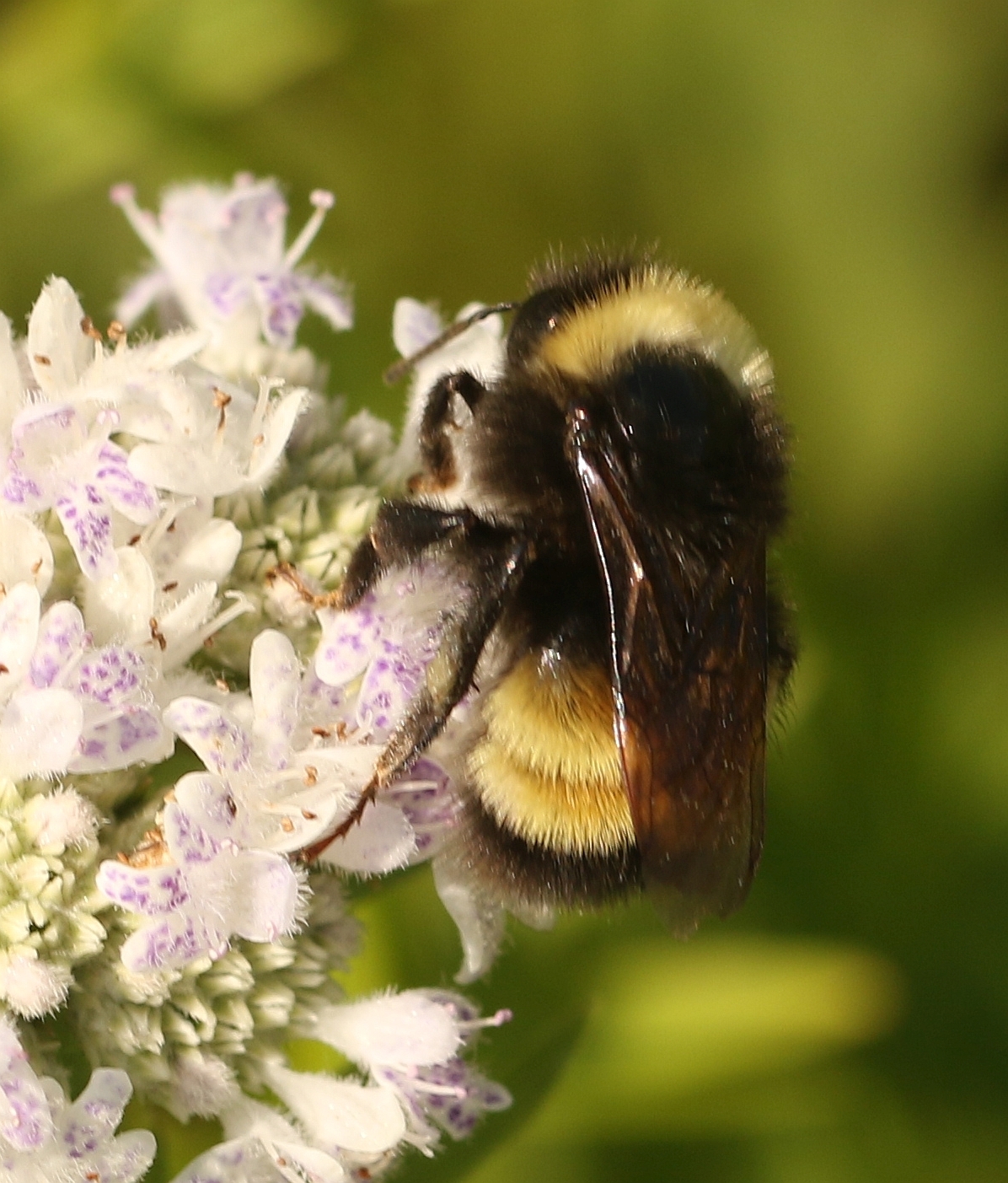
Bombus terricola visiting Pycnanthemum, photo by @farmscape_ecology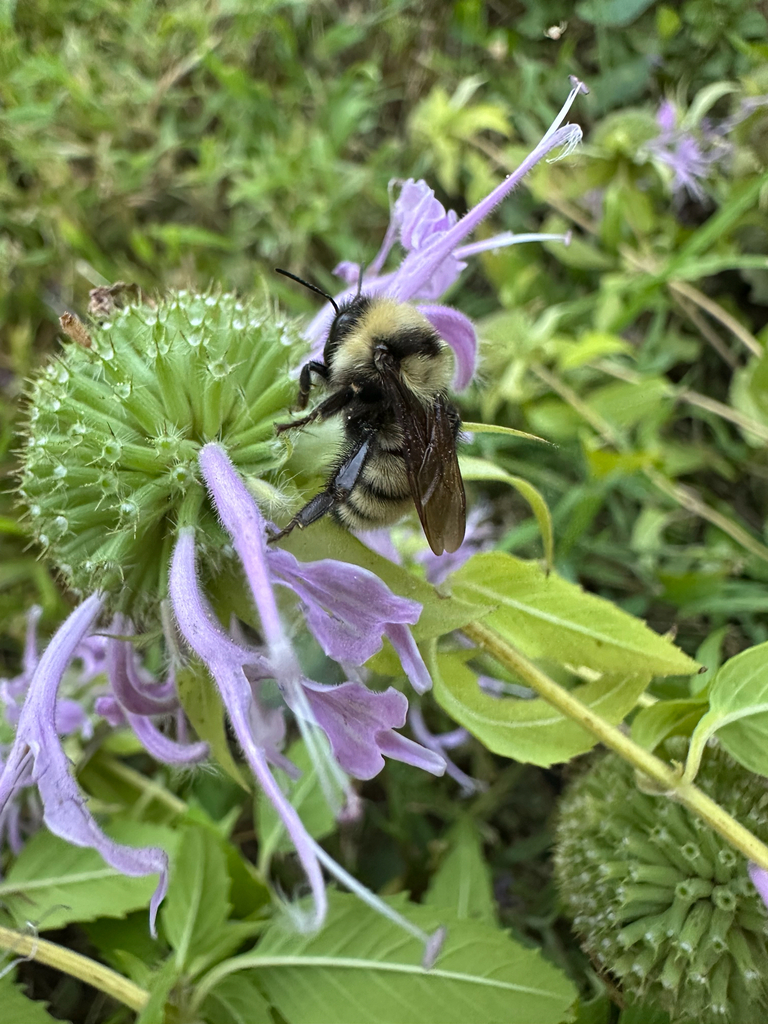
Bombus fervidus visiting Monarda fisulosa, photo by @jolafem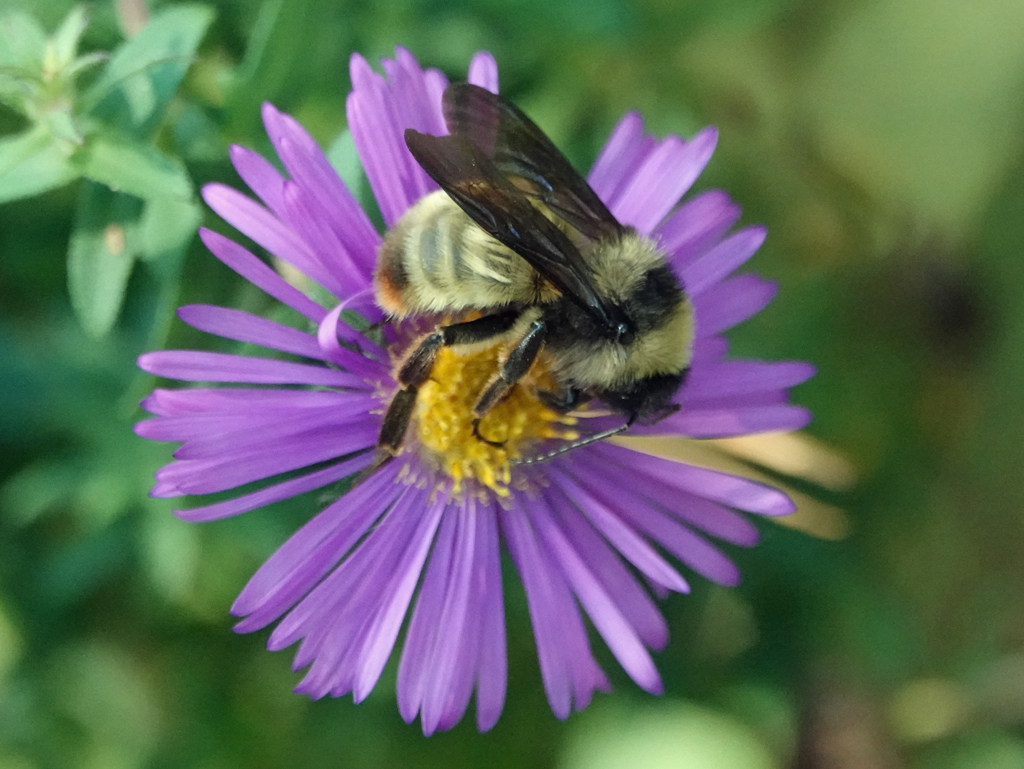
Bombus pensylvanicus visiting Symphyotrichum novae-angliae, photo by @patsuttonwildlifegarden
As always, thanks for your observations and happy spring!
Desiree
Vermont Center for Ecostudies


No comments:
Post a Comment
Thank you for your comment. Your comment will appear once the moderator views and accepts it.