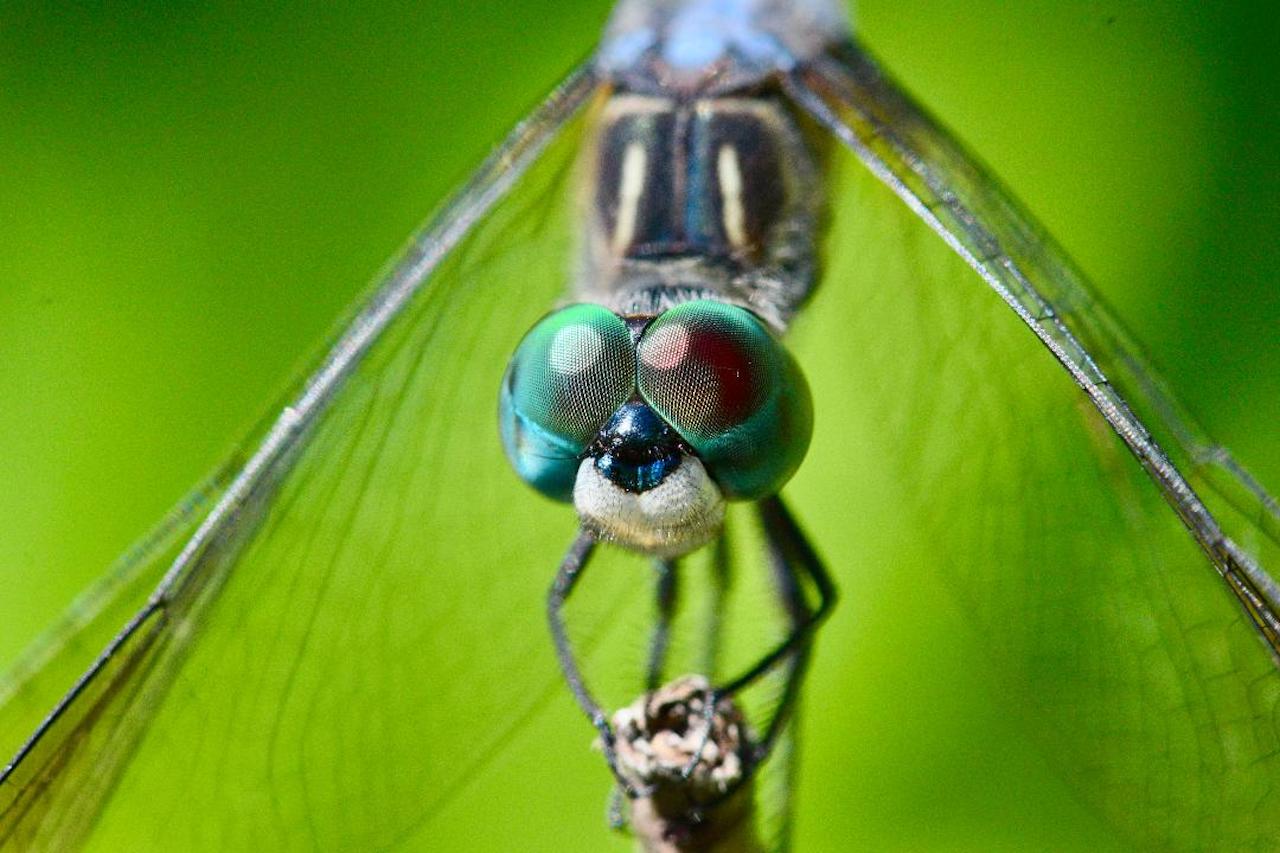
Discover the Vermont Entomology Academy, inspiring curiosity and connection through insect observation and hands-on learning.
V.E.A., founded by Bernie Paquette in 2025, connects people with nature through the fascinating world of insects. From summer bug observations to mobile outreach, the Academy helps learners of all ages discover the joy and importance of insects in our ecosystems.
🪲 Vermont Entomology Academy
Welcome to the Vermont Entomology Academy — where curiosity takes flight!
Explore our current and developing programs below.
VEA: Curious Connected Alive
🌿 Mission = why we exist
To spark curiosity, build confidence, and strengthen connections to nature through insect-focused observation and learning.
To promote the value of community-science observations for conservation and for monitoring ecosystem health.
To express an identity that is fun, exploratory, and grounded in the natural world.
🧭 Goals = what we want to achieve
Inspire curiosity, confidence, and connection with the overlooked creatures that keep ecosystems thriving.
Promote “inverting” — the joy of observing and learning about invertebrates, especially insects.
Encourage community-science participation so more people contribute meaningful insect observations.
Foster a culture of wonder that motivates people of all ages to explore, notice, and care for the natural world.
🔍 Objectives = what participants will learn/do
Through Academy programs, participants will:
Understand the vital roles insects play in ecosystems and in human life.
Explore ecosystem connections — the physical and functional relationships that support biodiversity and resilience.
Learn the fundamentals of entomology: anatomy, diversity, life cycles, and lifestyles.
Experience the joy of observing insects in their natural habitats.
Use iNaturalist to document, identify, and share observations (and become familiar with other entomological resources, including museum collections).
Practice using essential field tools — nets, magnifiers, and guidebooks — to investigate insects up close.
Develop keen observation and identification skills, deepening appreciation for nature’s details.
Cultivate a sense of awe for the small, complex, interconnected beauty of the insect world.
Recognize insects as living beings with needs: finding food, seeking shelter, avoiding danger, and striving to thrive as individuals and species.
You don’t need to know the science of insects to be amazed by them —
But learning a little makes the wonder grow even more.
“I ka nānā no a ‘ike.” (“By observing, one learns.”) -Hawaiian proverb
Our VALUES: Acceptance. Acceptance of ourselves, of others, of all life forms.
_________________________________________
🐞 Vermont Entomology Academy Programs
Bug Huggers Adventure Camp
🌟 Discover • Learn • Explore the World of Insects! 🌟
🚐 BUGmobile
- Volunteers willing to offer one-hour interactive insect presentations at local events (scheduling is flexible; no fixed commitment required).
- The idea is to create a pool of individuals, each willing to commit to at least one insect-related interactive program during 2016.
- Notices will go out to libraries, schools, and other community organizations offering a 1-2 hour insect-related program.
- Once an organization expresses interest and suggests a date and time, a note is sent out to the pool of individuals to see if anyone wishes to commit to that date and time.
- Equipment and Supplies for the mobile operation, including microscopes, field guides, insect nets, hand lenses, insect capture tools, entomology pins, display materials, and specimen trays.
🦋 Bug & Bird Safari
🐜 Bug Safari | At Your Yard
💧 Incredible Workshop: “Life Begins in Water.”
View the UK Guardians of our Rivers project and Protecting our rivers: answering the Kelpies’ call for ideas. Excerpt " What these volunteers quickly find out is that you don’t need to turn to folklore to find a diverse and fascinating community of creatures living beneath the surface of this watery environment. The invertebrates living in our rivers range from insects like mayflies, stoneflies, and beetles, to snails, leeches, worms, and a whole load of other amazing organisms dwelling beneath the surface. These charismatic little creatures are not only wonderfully interesting in their own right, but are also excellent indicators of river health and the different pressures affecting the ecological community found there."
Currently in the brainstorming stage, this workshop will explore the role of aquatic insects in ecosystems.
Join other organizations on water testing, monitoring, exploration, safeguarding, and other water-related activities where we could bring in the public to participate, experience, and learn about our waterways and the life they contain and maintain.
Create projects that will provide training and additional resources to enhance the confidence and skills of volunteers, empowering community groups to become more actively involved in safeguarding the quality of local rivers and streams.
🎪 The Great Vermont Insect Fair
Another exciting idea in development, this event will celebrate insects with exhibits, demonstrations, and hands-on activities for all ages.
Presentations
📅 Locations Community Center in Jericho: February 21, 2026, at 3pm
Join us at The Community Center in Jericho for two engaging, back-to-back presentations on the insects living right outside our doors.
Backyard Insect Finds: Great Discoveries in Nature (45 minutes)
Naturalist Bernie Paquette presents an image-rich look at backyard insects, highlighting surprising behaviors and overlooked species found in local yards, gardens, and trails. All ages welcome.
New Vermont Bee Checklist and Conservation Rankings Published (45 minutes)
Spencer Hardy (Vermont Center for Ecostudies biologist and Farm Upstream) shares highlights from a new decade-long study documenting 352 wild bee species in Vermont. The research shows 60% may need conservation action, marking a critical step toward protecting pollinators.
Admission: Free and open to the public
______________________________________________________________
🦋 Moth Night
📍 Locations TBD Date: Week of 7/18-7/26, 2026 (National Moth Week)
In the planning Stage,
“Lights, Sheets & Wings: Vermont Entomology Academy Moth Week Celebration 2026”
Discover the magic of nighttime biodiversity! Join us after dark for moth-watching, light-sheet exploration, and guided observation with Vermont Entomological Academy and Vermont Entomological Society naturalists.
Riddle: Who can count all the moths in a forest?A: A 'mothematician'!
to find out how you can help in this annual community science and celebration.
More useful links: &______________________________________________________________✨ Firefly Night📍 The Farm Upstream, Lee River Road, Jericho, Vt. Date between mid-June and mid-July“Glow & Wonder: Vermont Entomology Academy Firefly Discovery Evening 2026”Experience the sparkle of summer nights! Learn about firefly communication, watch their bioluminescent displays, and enjoy guided twilight exploration with VEA naturalists.
World Firefly "Day" is July 4, 2026, – July 5, 2026 https://fireflyersinternational.net/world-firefly-day
Fireflyers International, https://fireflyersinternational.net. Fireflyers International (FIN) is an international group of ecologists, chemists, geneticists, artists, and naturalists who love fireflies and often know quite a bit about other bioluminescent critters, too.___________________________________________________________
🦋 Moth Night
📍 Locations TBD Date: Week of 7/18-7/26, 2026 (National Moth Week)
In the planning Stage,
“Lights, Sheets & Wings: Vermont Entomology Academy Moth Week Celebration 2026”
🐝🌼Plant–Insect Interactions Project (2026)
VEA Residential Yard & Garden Study
Curious about the bees, butterflies, and other insects visiting your yard? Jericho residents are invited to take part in a 2026 Vermont Entomological Association community science project exploring plant–insect interactions in home yards and gardens.
Do you live in Jericho, VT?
The Vermont Entomological Association (VEA) is seeking residents of Jericho to participate in a 2026 community science project focused on plant–insect interactions in residential green spaces.
What participation involves
• Brief 20-minute surveys of your yard
• Conducted biweekly during select plants* bloom periods
• Surveys conducted by Bernie
• Flowering plants and insect visitors photographed
• Observations submitted to iNaturalist
Why participate?
Your yard can help answer important questions:
• Which pollinators use specific plants?
• What pollinators are active in Jericho?
• Are uncommon or at-risk insects present?
• Which plants best support specialized pollinators?
Focal plants & bloom timing
*View the list of target plants and projected bloom dates:
https://vtbugeyed.blogspot.com/2025/12/targeted-flora-for-key-and-under.html
Interested or have questions:
Contact: Bernie Paquette
Vermont Entomological Association
_________________________________________ Six-Legged Stories 🐞📚
Insect-themed outdoor library events
Offering a summer offering in conjunction with the Jericho Library for an outdoor kids reading session using books about insects (fictional and non-fictional). Combined with pinned insect and live insect observation, and discussion.
VEA Residential Yard & Garden Study
Curious about the bees, butterflies, and other insects visiting your yard? Jericho residents are invited to take part in a 2026 Vermont Entomological Association community science project exploring plant–insect interactions in home yards and gardens.
Do you live in Jericho, VT?
The Vermont Entomological Association (VEA) is seeking residents of Jericho to participate in a 2026 community science project focused on plant–insect interactions in residential green spaces.
What participation involves
• Brief 20-minute surveys of your yard
• Conducted biweekly during select plants* bloom periods
• Surveys conducted by Bernie
• Flowering plants and insect visitors photographed
• Observations submitted to iNaturalist
Why participate?
Your yard can help answer important questions:
• Which pollinators use specific plants?
• What pollinators are active in Jericho?
• Are uncommon or at-risk insects present?
• Which plants best support specialized pollinators?
Focal plants & bloom timing
*View the list of target plants and projected bloom dates:
https://vtbugeyed.blogspot.com/2025/12/targeted-flora-for-key-and-under.html
Interested or have questions:
Contact: Bernie Paquette
Vermont Entomological Association
This program plan is in development mode.
Six-Legged Stories is a summer program developed in partnership with the Jericho Library, offering outdoor reading and discovery sessions for children centered on insects and the natural world. The program combines insect-themed fiction and nonfiction books with hands-on observation, discussion, and creative activities that encourage curiosity, respect, and care for local insects.
Through guided exploration, children will observe live insects, view pinned specimens, and learn how insects live in gardens, fields, and forests—always emphasizing gentle handling and safe release.
Program development ideas
- Targeted audience (age 8-10 years) matched to the book(s) we choose for each session.
- Categorize available insect books by recommended age groups.
- Name tags: Jr. Entomologist: _______ (name of attendee)
- Sketch pads and implements
- Field notebooks
- Collaborative or individual story creation based on insect(s)
- Attendees create page(s) for a library insect encyclopedia or guidebook (laminated)
- Insect dictionary (bee anatomy terms, for example)
- Insect artwork by attendees (display at the library and City Hall)
- Maintain an outdoor waterproof box of accessible insect-related materials
- Duration: (1-2 hours?)
- Seek donations of insect-related materials to make available in the Library loan program
- Consider possible library pollinator garden maintenance and expansion
- Story read and discussion outdoors, weather permitting.
- Insect observations outdoors, weather permitting. (Library grounds and pollinator garden near JCS.
- Insect observations within a sealed display case.
- Dead insects made available to (gently) handle and examine.
- Get-and-Go STEMbugs Workshop 2018 Resources from the Entomology Society of America
What the Program Includes
📚 Storytime & Discussion
Outdoor reading sessions featuring insect-themed books available through the Jericho Center Library, paired with age-appropriate discussion.
🔍 Hands-On Discovery
Activities may include:
Guided bug hunts using magnifying glasses and simple nets
Daytime and nighttime “white sheet safaris” using sheets and lights
Live insect observation and pinned specimen trays
Journaling, drawing, and storytelling inspired by insect encounters
🏨 Build & Create
Construction of small insect observation stations or “bug hotels”
Creative use of natural materials such as sticks, bamboo, pinecones, and leaves
Program Structure
Pre-Event Setup
Outdoor reading nook with books, field guides, and nature journals
“Bug hunt” discovery kits (magnifiers, bug viewers with air holes, notebooks)
During the Event
Guided insect exploration using simple scavenger hunt prompts
Observation and documentation through drawing or writing
Read-alouds tied to the insects participants encounter
Write a single insect-related story, together, adding new chapters at each Six Legged Stories event.
Key Principles
🌱 Observation First – Gentle handling, respectful curiosity, and prompt release
👶 Age-Appropriate Design – Simple activities for younger children; deeper exploration for older participants
📖 Literature-Based Learning – Stories and poems connected directly to real-world discoveries
Planning & Logistics
Create a list of insect-related books available at the Jericho Center Library
Coordinate with Catherine (librarian) on interest and scheduling
Recruit volunteer readers and activity facilitators
Develop themed sessions and age-specific programs
- Reading Nook: Set up a cozy outdoor area with insect-themed picture books, field guides (e.g., for pollinators, local garden bugs), and nature journals.
- Discovery Kits: Prepare "bug hunt" bags with magnifying glasses, clear jars/bug viewers (with air holes!), small nets, and notebooks/pencils for drawing or data collection.
2. The Event: Activities & Exploration- Guided Bug Hunt: Start with a scavenger hunt list (e.g., "find a bug with wings," "find a bug in the grass") using magnifying glasses to explore plants, logs, and soil.
- White Sheet Safari (Day/Night): Shake leaves over a sheet to see what falls (day), or hang a light to attract nocturnal insects (night).
- Creative Observation: Encourage participants to draw or write stories about their findings in their journals, noting insect behaviors, colors, and habitats.
- Insect Hotel Building: Provide materials (bamboo, sticks, pinecones, pallets) for kids to build small habitats for beneficial insects.
3. Key Principles for Success- Focus on Observation: Emphasize gentle handling and prompt release back to where they were found.
- Age-Appropriate Tools: Use simple checklists for young kids and more detailed data charts for older participants.
- Connect to Literature: Read stories or poems related to the insects they find during the event.
________________________________
- Reading Nook: Set up a cozy outdoor area with insect-themed picture books, field guides (e.g., for pollinators, local garden bugs), and nature journals.
- Discovery Kits: Prepare "bug hunt" bags with magnifying glasses, clear jars/bug viewers (with air holes!), small nets, and notebooks/pencils for drawing or data collection.
- Guided Bug Hunt: Start with a scavenger hunt list (e.g., "find a bug with wings," "find a bug in the grass") using magnifying glasses to explore plants, logs, and soil.
- White Sheet Safari (Day/Night): Shake leaves over a sheet to see what falls (day), or hang a light to attract nocturnal insects (night).
- Creative Observation: Encourage participants to draw or write stories about their findings in their journals, noting insect behaviors, colors, and habitats.
- Insect Hotel Building: Provide materials (bamboo, sticks, pinecones, pallets) for kids to build small habitats for beneficial insects.
- Focus on Observation: Emphasize gentle handling and prompt release back to where they were found.
- Age-Appropriate Tools: Use simple checklists for young kids and more detailed data charts for older participants.
- Connect to Literature: Read stories or poems related to the insects they find during the event.
These program plans are in development mode.
2. Community/Citizen Science Month: Wednesday, April 1 Find out how YOU can participate in real science at https://scistarter.org/citizensciencemonth!
3. Endangered Species Day: Friday, May 15, the third Friday of May, every year.
Celebrate the Successes of the Endangered Species Act and renew your commitment to protection, conservation, shared responsibility, and the wonderful wild world we live in.
4. Incredible Workshop: “Life Begins in Water.” See block details further above.
5. BioDiversity Day (Friday, May 22) (5 - 15 min) Talks: - "Creating Your Own Pollinator Haven"
- "Into the Nematode World."
- "Art, Science and the World of Insects"
Consider collaborating with Jericho and Underhill Conservation Commissions and the VT Pollinator Working Group.
6. We need volunteers to survey for uncommonly reported bees, including specialist bees, to contribute to the Vt Ctr for Ecostudies atlas.
Comments from Spencer: - Another solid idea! Getting something like this out in the next VES newsletter would be awesome (and fall under a current VCE grant we are working with).
- Mind if I take your idea and run with it (pending being able to find the time)?
- I will note that there is a lot of nuance within the plants that have big impacts on the bees - for example, Salix interior blooms May - July, but the fairy bee only seems to be active late June - July.
- I would also add rich hardwoods to the habitat list - lots of fun bees on spring ephemerals.
For reference:
Interested or have questions:Contact: Bernie PaquetteVermont Entomological Association
____________________________________________________________
- "Creating Your Own Pollinator Haven"
- "Into the Nematode World."
- "Art, Science and the World of Insects"
- Another solid idea! Getting something like this out in the next VES newsletter would be awesome (and fall under a current VCE grant we are working with).
- Mind if I take your idea and run with it (pending being able to find the time)?
- I will note that there is a lot of nuance within the plants that have big impacts on the bees - for example, Salix interior blooms May - July, but the fairy bee only seems to be active late June - July.
- I would also add rich hardwoods to the habitat list - lots of fun bees on spring ephemerals.